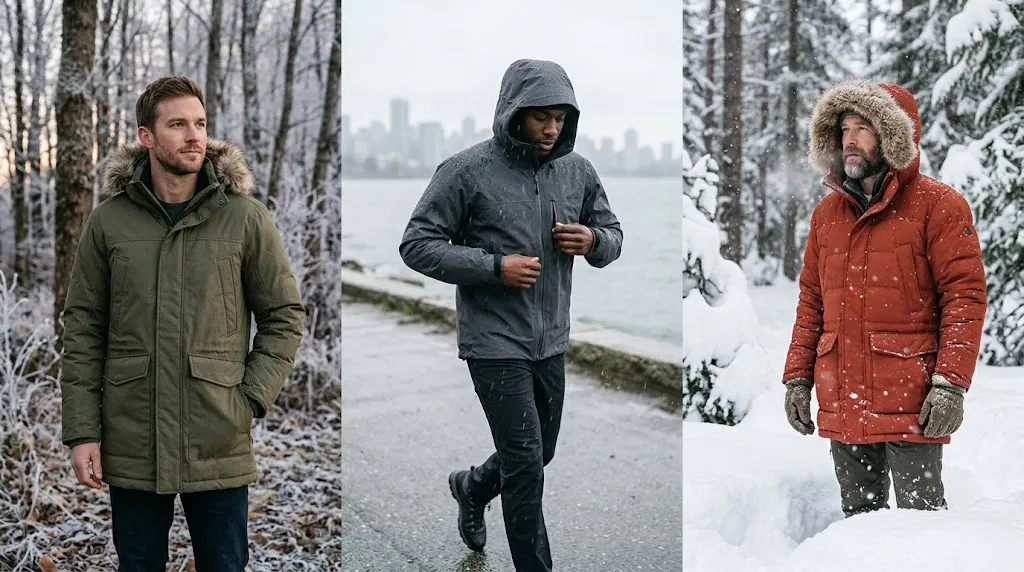
The best jacket for you depends on your local weather, how long you stay outside, and what clothes you wear under it.You don’t always need the thickest jacket to stay warm in the winter.
A light jacket is fine for cool, dry weather. But when it gets very cold, windy, rainy, or snowy, warmth isn’t the only thing that matters. Features like the jacket’s material, fit, hood, cuffs, length, and pockets also help keep you comfortable.
That is why you should think about your daily weather and routine before buying a winter jacket.
Start With Your Winter Climate
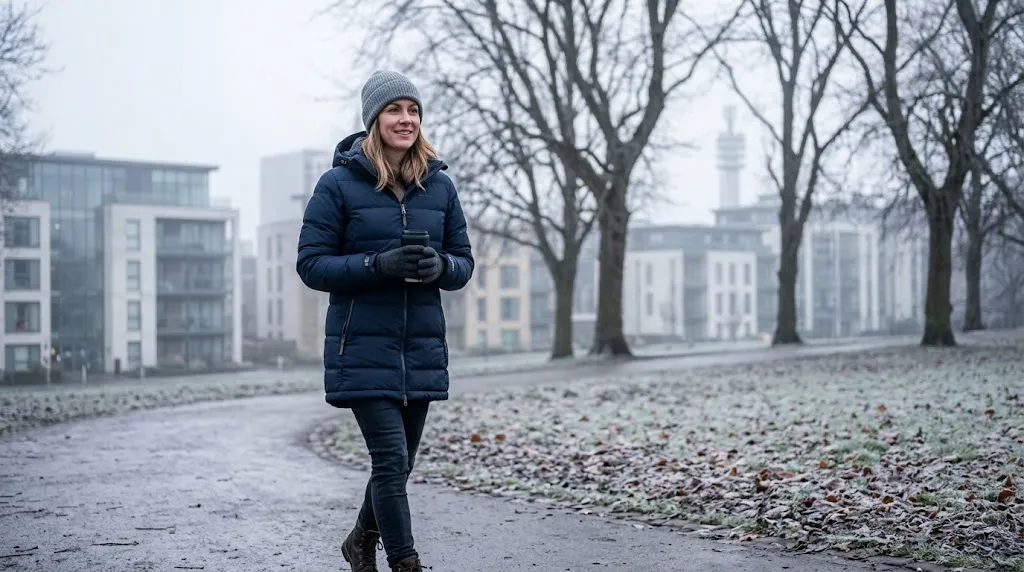
Before you choose between a down jacket, a synthetic coat, a parka, or a puffer, take a moment to think about what winter is normally like where you live.
Someone living in a cool, rainy place needs a very different jacket than someone facing freezing cold and heavy snow. How you spend your day also matters.
Think about these three things:
- How cold does it usually get?
- Is your winter mostly dry, rainy, windy, or snowy?
- Do you spend a few minutes outside or several hours?
For everyday activities such as commuting, going to school, shopping, or walking around town, a jacket with moderate insulation and some weather protection may be enough.
If you spend a lot of time outside, you may need more insulation, better coverage, and stronger protection from wind and moisture.
The goal is not to buy the most advanced jacket. It is to find one that suits your weather and your daily life.
Think About Temperature, But Don’t Rely on It Alone
Temperature is important, but it is not the only thing that affects how cold you feel.
A dry and calm day can feel very different from a windy day with the same temperature. Rain, snow, humidity, your activity level, and the clothes you wear underneath can also affect your comfort.
This is why a jacket’s advertised temperature range should only be used as a general guide. Everyone reacts to cold differently, and different brands may test their jackets in different ways.
Instead of asking only, “How cold is it?”, also ask:
What will I be doing outside, and what will the weather be like?
If you mostly travel between your car, office, shops, and home, you may not need a very heavily insulated coat.
But if you walk outside for long periods or spend a lot of time standing in the cold, you will probably need more insulation and coverage.
Choose the Right Type of Insulation
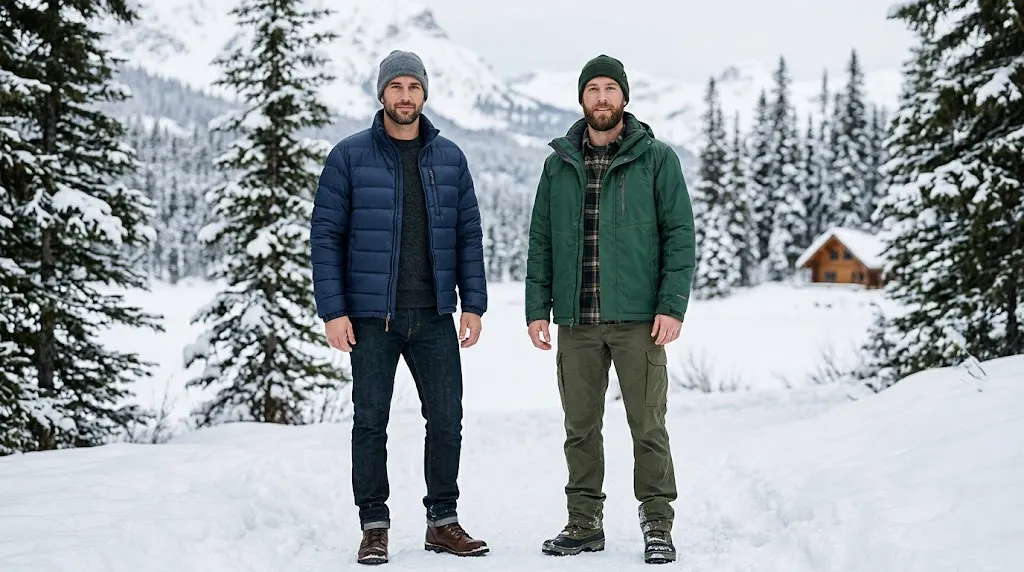
IInsulation holds in your body heat to keep you warm. Jackets usually use either natural feathers (down) or man-made materials (synthetic).
Neither option is right for everyone. Your weather, activity, budget, and how much care you want to give the jacket should all be considered.
Down Insulation
Down is popular because it provides a lot of warmth without adding much weight. It can also be packed down easily, which makes it useful for travel.
Down usually works best in cold and fairly dry weather.
If you live somewhere cold but mostly dry, a down jacket can be a comfortable choice.
If rain, wet snow, or high humidity are common during your winter, synthetic insulation may be more practical.

Stay warm and comfortable in this fleece-lined winter jacket, designed with a hood and practical double-zipper construction for cold-weather wear. Its soft insulation and water-resistant design make it a reliable choice for outdoor activities and everyday winter use.
Pros & Cons For Down Insulation
- Excellent warmth for its weight
- Lightweight and comfortable
- Easy to pack for travel
- Usually less bulky than heavily insulated jackets
- Can lose some performance when it gets wet
- Usually needs more care when washing
- Good-quality down jackets can be expensive
- May not be ideal for constantly wet weather
Synthetic Insulation
Synthetic insulation is made to provide warmth while handling damp weather better than traditional down.
It is also often easier to wash and care for, which makes it useful for everyday wear.
If your winter includes cold temperatures, rain, moisture, or a lot of outdoor activity, synthetic insulation can be a practical option.

Perfect for Skiing, Snowing, Snowsports, Mountaining, Hiking, Cycling and other winter outdoor sports.
Pros & Cons For Synthetic Insulation
- Works well in damp weather
- Usually easier to care for
- Good for changing weather
- Often costs less than premium down
- Useful for active everyday wear
- Can be heavier or bulkier than similar down jackets
- May not pack as small
- Premium synthetic jackets can still be expensive
- May not provide the same warmth-to-weight ratio as high-quality down
When Do You Need Waterproof Protection?

Warmth and waterproofing are two different things.
A heavily insulated jacket can still leave you cold and uncomfortable if rain or melting snow gets through the outer fabric. At the same time, a lightweight waterproof jacket can keep you dry but may not provide enough warmth by itself.
Think about the weather you normally experience.
If your winter is mostly cold and dry, water resistance may be enough for occasional light rain or snow.
If you regularly deal with heavy rain, wet snow, or long periods outside, waterproof protection becomes much more important.
There is also a difference between water-resistant and waterproof.
Water-resistant fabric can handle some moisture, while waterproof construction provides stronger protection against continued rain and snow.
For very wet weather, look for a jacket that offers both waterproof protection and breathability. A jacket that does not let enough moisture escape can make you sweaty and uncomfortable inside.
Don’t Underestimate Wind
Cold temperatures are not the only problem in winter. Strong wind can make the same temperature feel much colder.
A jacket with good wind protection can therefore be useful even when you do not need heavy insulation.
Look for features such as:
- An adjustable or close-fitting hood
- Secure cuffs
- A higher collar
- A covered front zipper
- A longer back or hem
- A tightly woven or weather-resistant outer fabric
These details may seem small when you look at a product photo, but they can make a big difference when you are actually outside.
Fit Matters More Than You Think
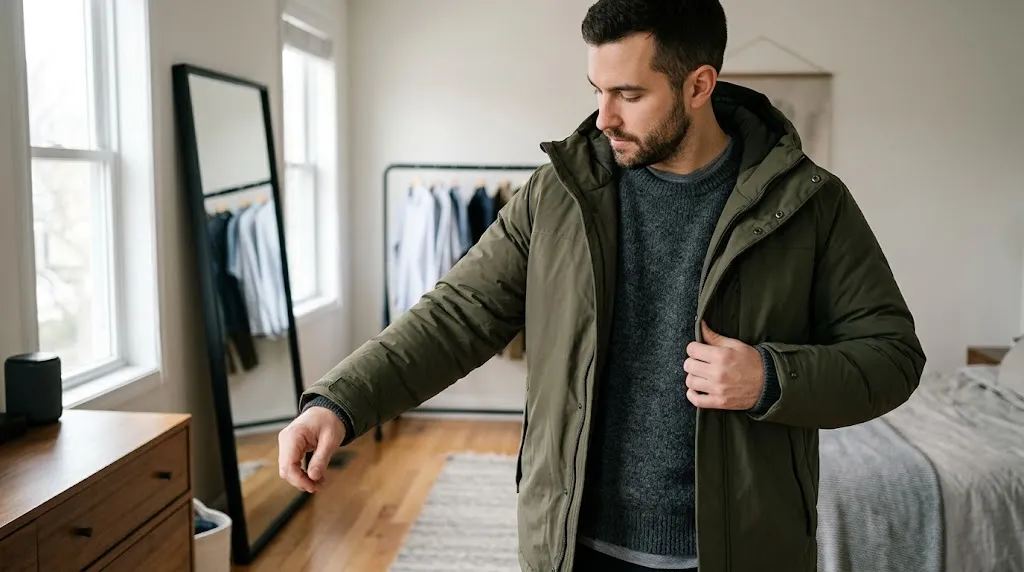
A winter jacket should feel comfortable when you put it on.
If it is too tight, you may not have enough room for a sweater or fleece underneath. If it is too loose, cold air can enter around the neck, cuffs, and bottom of the jacket.
The right fit should give you enough room to move without making the jacket feel too big.
When trying on a winter jacket, check whether you can comfortably:
- Raise your arms
- Move your shoulders
- Zip the jacket over your usual layers
- Sit down without the jacket pulling too much
- Wear a sweater underneath
- Use the pockets comfortably
A good winter jacket should work with the clothes you already wear instead of forcing you to change your whole wardrobe.
Leave Room for Layers
Layering gives you more control over your warmth than relying on one very heavy jacket.
A simple cold-weather clothing system can include:
Base layer: Helps move moisture away from your skin.
Middle layer: Adds warmth with fleece, wool, or another insulating layer.
Outer layer: Protects you from wind, rain, and snow.
Layering is especially useful when temperatures change during the day. You can take off a layer when you are indoors and put it back on when you go outside.
Make sure your winter jacket has enough room for the layers you normally wear.
A jacket that looks great but only fits over a T-shirt may not be as useful as a slightly roomier jacket that works with your normal winter clothes.
Small Details Can Make a Big Difference
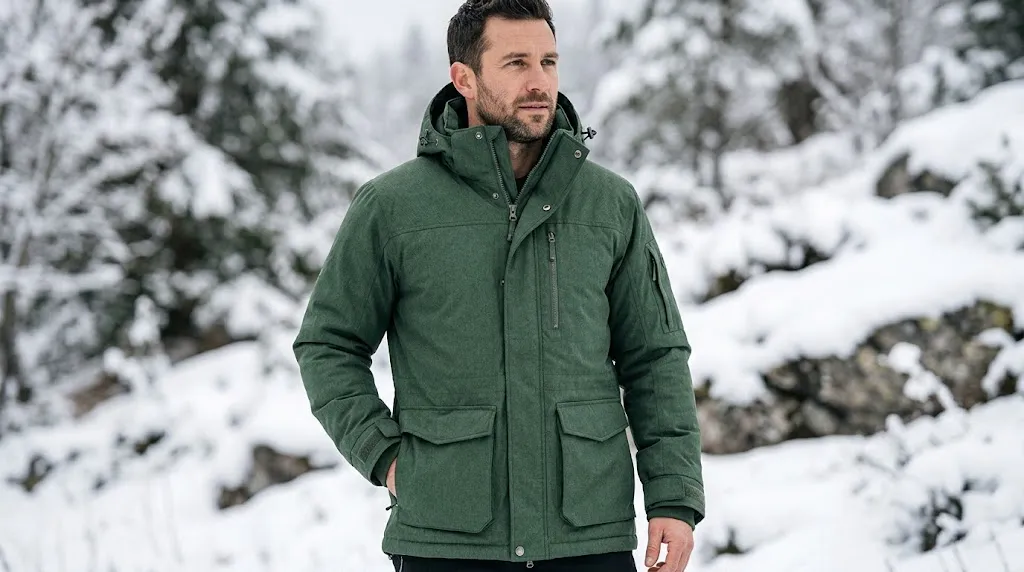
The difference between an average winter jacket and a really useful one can sometimes come down to small details.
Hood
A good hood can protect your head and neck from wind, rain, and snow.
Think about whether you want a fixed or removable hood. An adjustable hood can also give you better control over the fit.
Cuffs
Adjustable cuffs help close the space around your wrists. This can be especially useful on windy days or when you are wearing gloves.
Pockets
Do not just count how many pockets a jacket has.
Think about their size, position, and how easy they are to reach. If you regularly carry your phone, keys, wallet, or gloves, good pocket design can make everyday life easier.
Warm-lined pockets can also be useful on cold days.
Zippers
The main zipper should open and close smoothly, even when you are wearing gloves.
A two-way zipper can also make a jacket easier to use when sitting, driving, or moving around.
Collar
A higher collar can give your neck extra protection from cold air, especially when worn with a scarf or base layer.
Adjustable Waist or Hem
An adjustable hem can improve the fit and help stop cold air from getting inside.
These features may seem minor, but they can have a noticeable effect on comfort.
Choose the Right Jacket Length
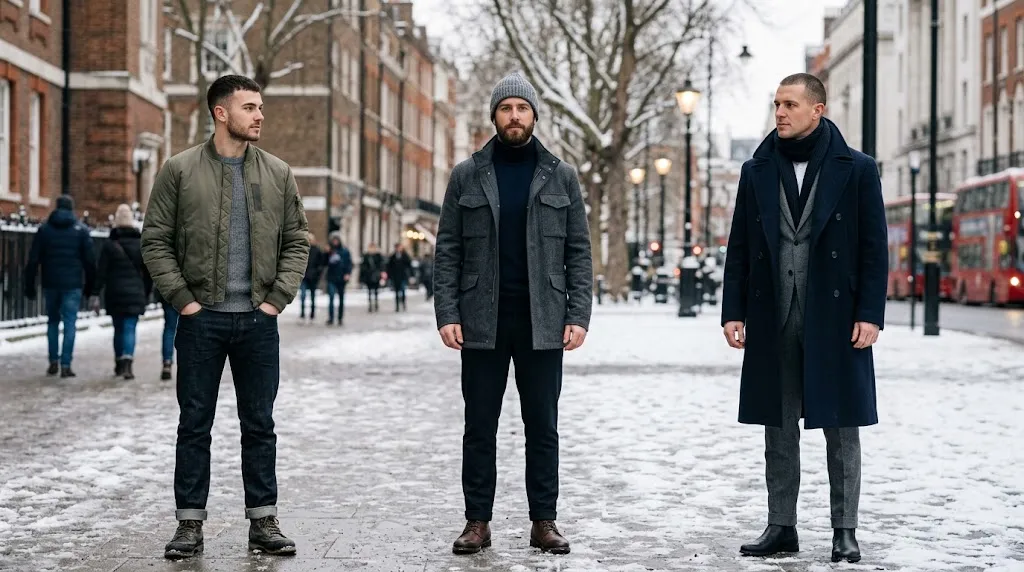
Jacket length is partly about personal style, but it also affects how much protection you get from the cold.
Short Jackets
Short jackets are usually easy to move around in and can work well for driving, commuting, and everyday activities.

This warm jacket works great for winter work, daily wear, travel, camping, golf, hiking and other outdoor activities. Stay comfortable and stylish on cold winter days.
Pros & Cons For Short Jackets
- Easy to move in
- Usually lightweight
- Convenient for driving
- Works well with casual clothing
- Provides less coverage around the hips
- Can leave more of your body exposed to wind
- May not feel warm enough in very cold weather
Mid-Length Jackets
A mid-length jacket gives you a good balance between coverage and movement.
It can be a useful choice for everyday city life because it provides more protection than a short jacket without feeling as restrictive as a very long coat.
Long Winter Coats
Long coats provide more coverage, especially around the hips and upper legs.
The best jacket length depends on how you normally spend your time.

Pros & Cons
- More protection from cold air
- Better coverage in windy weather
- Comfortable for walking or standing outside
- Useful in very cold conditions
- Can feel heavier
- May make movement slightly harder
- Less convenient for driving
- Can feel too warm in mild weather
Match the Jacket to Your Lifestyle
A jacket that works well for hiking may not be the best choice for commuting to work.
Think about what you normally do during winter.
For Everyday City Wear
Look for a good balance of warmth, comfort, weather protection, and style.
Useful features include:
- Comfortable insulation
- Practical pockets
- Adjustable hood
- Moderate weight
- Enough room for layers
For Walking or Commuting
Wind protection becomes more important if you walk to work, wait for public transport, or spend time outside during your commute.
A longer hem can also provide extra coverage.
For Hiking and Outdoor Activities
Breathability and freedom of movement are more important.
A jacket that feels very warm when you are standing still may become uncomfortable once you start walking or hiking and your body temperature rises.
For Wet Winters
Focus on weather protection.
A waterproof or highly water-resistant outer layer may be more useful than simply buying the thickest jacket available.
For Very Cold, Low-Activity Days
More insulation and coverage may be the priority.
If you spend long periods outside without much movement, keeping your body warm becomes more important than having an extremely lightweight jacket.
Winter Jacket Types: Pros and Cons at a Glance
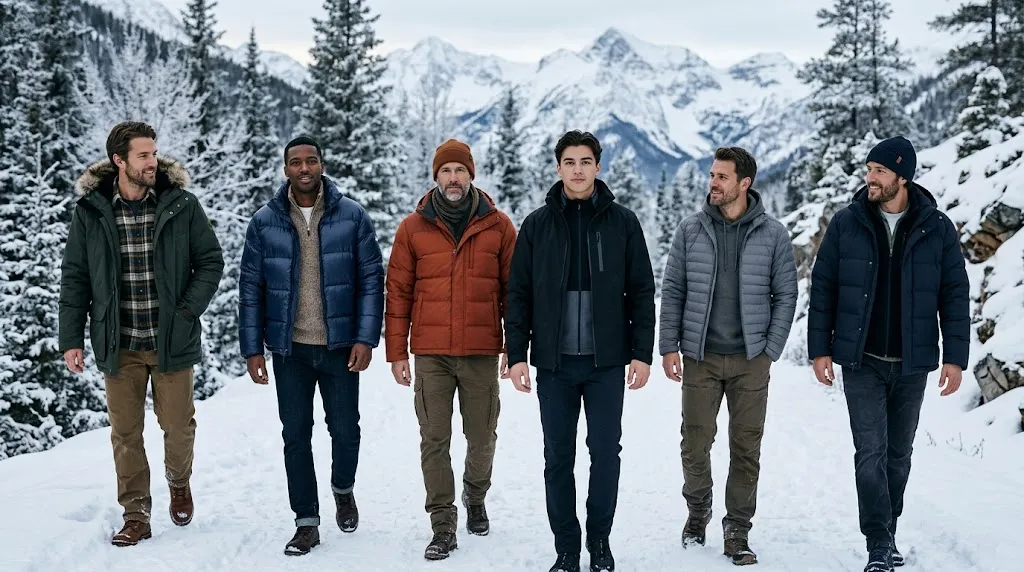
Puffer Jacket
Pros: Warm, comfortable, casual, and available in both lightweight and heavily insulated styles.
Cons: Can look bulky, and some puffers do not provide much protection from rain without a water-resistant outer fabric.
Down Jacket
Pros: Very warm for its weight and easy to pack.
Cons: Can be less suitable for repeated exposure to moisture and may need more care.
Synthetic Insulated Jacket
Pros: Handles damp conditions well and works nicely for everyday use.
Cons: Can be a little heavier or bulkier than a similar down jacket.
Parka
Pros: Usually provides good coverage, warmth, and useful features for cold weather.
Cons: Can feel heavy or too warm when the weather is mild.
Waterproof Winter Jacket
Pros: Provides strong protection from rain, wet snow, and wind.
Cons: Waterproof jackets can be heavier, stiffer, or more expensive, especially technical models.
Lightweight Winter Jacket
Pros: Comfortable, flexible, and easy to wear with layers.
Cons: May not provide enough warmth by itself in very cold weather.
Common Winter Jacket Buying Mistakes
Buying a winter jacket can be confusing when every product seems to promise maximum warmth.
Here are some common mistakes to avoid.
Choosing the Warmest Jacket Automatically
More insulation is not always better.
If your winter is mild or you spend most of your time indoors, an extremely warm parka may simply make you uncomfortable.
Ignoring Moisture
A warm jacket that does not handle wet weather well may not be a good choice for a rainy winter.
Think about rain and snow as well as temperature.
Buying a Jacket That Is Too Tight
Remember that you will probably wear layers underneath your winter jacket.
Try it over the type of sweater or fleece you normally wear.
Focusing Only on Appearance
A jacket can look great in an online photo and still be difficult to use every day.
Check the hood, cuffs, pockets, zipper, length, and freedom of movement before buying.
Assuming a Higher Price Means Better Performance
A higher price can come from better materials, construction, insulation, technical features, or the brand.
But an expensive jacket is not automatically the best choice for you.
Start with your climate and lifestyle, then compare the features that actually matter.
A Simple Winter Jacket Buying Checklist
Before buying a winter jacket, ask yourself:
- What temperatures will I normally experience?
- Is my winter mostly dry, wet, windy, or snowy?
- How active will I be while wearing the jacket?
- Should I choose down or synthetic insulation?
- Do I need waterproof protection?
- Will I wear sweaters or other layers underneath?
- Can I move comfortably in the jacket?
- Does the hood provide enough coverage?
- Are the cuffs adjustable?
- Are the pockets useful?
- Is the jacket too heavy for my daily routine?
- Does the length work for how I travel and spend time outside?
- Is the jacket easy to wash and care for?
- Is the price reasonable for how often I will wear it?
If you can answer these questions, comparing different winter jackets becomes much easier.
Frequently Asked Questions
What Is the Best Type of Winter Jacket?
There is no single winter jacket that is best for everyone.
The right choice depends on your temperature, rain or snow, wind, activity level, layering, and personal comfort.
Is Down Warmer Than Synthetic Insulation?
Down usually provides excellent warmth for its weight. Synthetic insulation generally handles damp conditions better and can be easier to care for.
The better choice depends on where you live and how you plan to use the jacket.
Should a Winter Jacket Be Tight or Loose?
A winter jacket should feel comfortable without being too loose.
You need enough room for your normal winter layers, but you also want to avoid large gaps where cold air can enter.
Is a Waterproof Jacket Better Than a Warm Jacket?
Waterproofing and insulation do different jobs.
A waterproof jacket helps keep rain and snow out, while insulation helps keep your body heat inside.
If your winter is both cold and wet, you may need a jacket that provides both warmth and weather protection.
How Long Should a Winter Jacket Last?
It depends on the jacket’s quality, materials, construction, how often you wear it, how you wash it, and how you store it.
A good-quality jacket that is properly cared for can last for several seasons.
Should I Buy a Long or Short Winter Jacket?
Think about your daily routine.
A short jacket can be easier to move around in and more convenient for driving. A long jacket gives you more coverage and can be more comfortable when you spend a long time outside in cold weather.
Final Thoughts

Choosing a winter jacket becomes easier when you stop looking for one perfect jacket and think about what you actually need during winter.
Start with your climate. Then think about insulation, rain, snow, wind, fit, layers, length, and the small features you will use every day.
The right jacket should fit naturally into your life. It should keep you comfortable when the weather gets cold without feeling heavier or warmer than necessary.
Before buying, take some time to compare the details and try the jacket with your usual winter layers. You will probably wear it many times during the season, so comfort, practicality, and the right level of protection are just as important as how it looks.
The right winter jacket is not necessarily the thickest one hanging on the rack. What works best depends on the weather you actually experience, how much time you spend outdoors, and the layers you normally wear underneath.
A lightweight jacket can be perfectly comfortable on a cool, dry day. But when temperatures drop, wind picks up, or rain and snow become part of the forecast, you need more than insulation alone. The outer fabric, fit, hood, cuffs, length, and even pocket design can all affect how comfortable a jacket feels.
That is why choosing a winter jacket starts with understanding your everyday conditions rather than choosing a style first.
So, at the end of this article, I searched a lot of sites. I found one site, Macgomsen. They have a lot of stuff for winter jackets.